Ban Butsu — All Things

Ban Butsu — All Things

Ban Butsu — All Things

Japan has long been perceived from the outside as a mysterious civilization, full of paradoxes and contradictions when viewed through Occidental lenses shaped by rigid binaries imposed by institutional power.

Yet this perception could not be further from the lived reality of the people of Yamato.

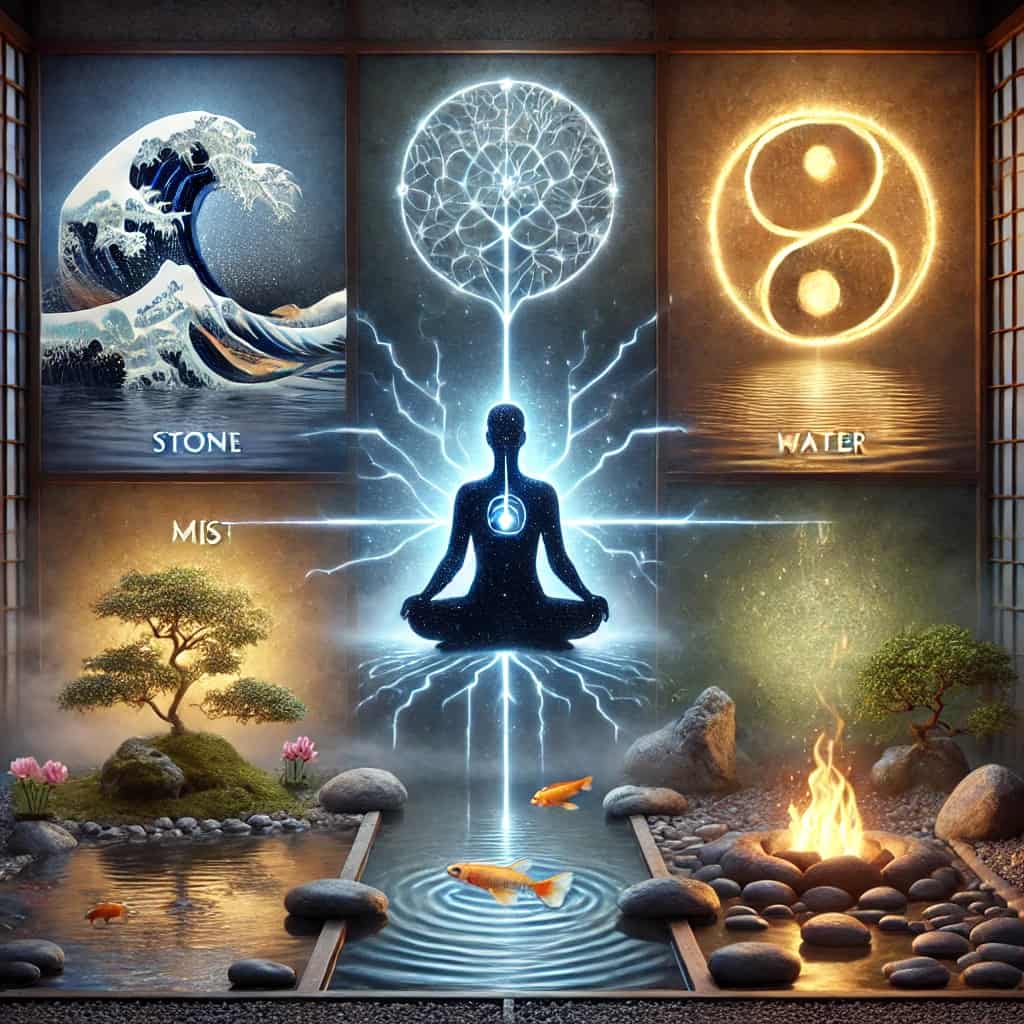
Japanese cosmology rests upon the foundational principle of Ban Butsu—the totality of existence—life in all things.Ki FlowIn Japanese metaphysical thought, Ban Butsu is not a collection of separate objects.
It is a single, continuous, living reality expressing itself through countless forms.

This distinction is precisely what Western binary frameworks often fail to grasp.

Within established Japanese metaphysics, Ban Butsu is alive, interconnected, self-organizing, and non-hierarchical.

Humans do not sit at the top of creation—rather, there is only one life appearing as many things.One Life, Many FormsFrom the perspective of Japan’s indigenous belief systems, Ban Butsu represents animism without superstition.

In Shinto, there is no rigid divide between living and non-living.

Mountains, rivers, wind, tools, animals, ancestors, and even ideas all possess ki.

Kami are not gods standing above nature.

They are expressions within nature.Not Above, But WithinThis does not suggest that everything has a personality, but that everything participates in being.

Taoist cosmology further reinforces this view—the universe is not created by something—it is a process, with all phenomena emerging from the same source.

Zen Buddhism echoes this truth with radical clarity—form is emptiness, and emptiness is form—a statement that denies separation, not reality.

Ban Butsu contains no independent existence, yet is rich in relational existence.

Nothing exists alone—everything exists through everything else.

By contrast, antiquated monotheistic systems rely upon a creator separate from creation, organized as a hierarchy—God → humans → animals → matter—where authority flows from the top down.The Distance Between Creator and CreationBan Butsu dissolves this structure entirely.

If everything is alive and interconnected, nothing is fundamentally above anything else.

This is not chaos—it is equity of being.

Humans are not rulers of creation.

Authority cannot be centralized.

Reality cannot be controlled through doctrine.

Ban Butsu does not threaten spirituality—it threatens institutional power.

This is precisely why organized religion must insist upon inert nature, dominant humans, and an external god—positions that stand in direct opposition to authentic spirituality.

Secularism rejects Ban Butsu as well, asserting that matter is dead, consciousness is accidental, and meaning is human-generated alone.The Fray BannerThis view is equally impoverished.
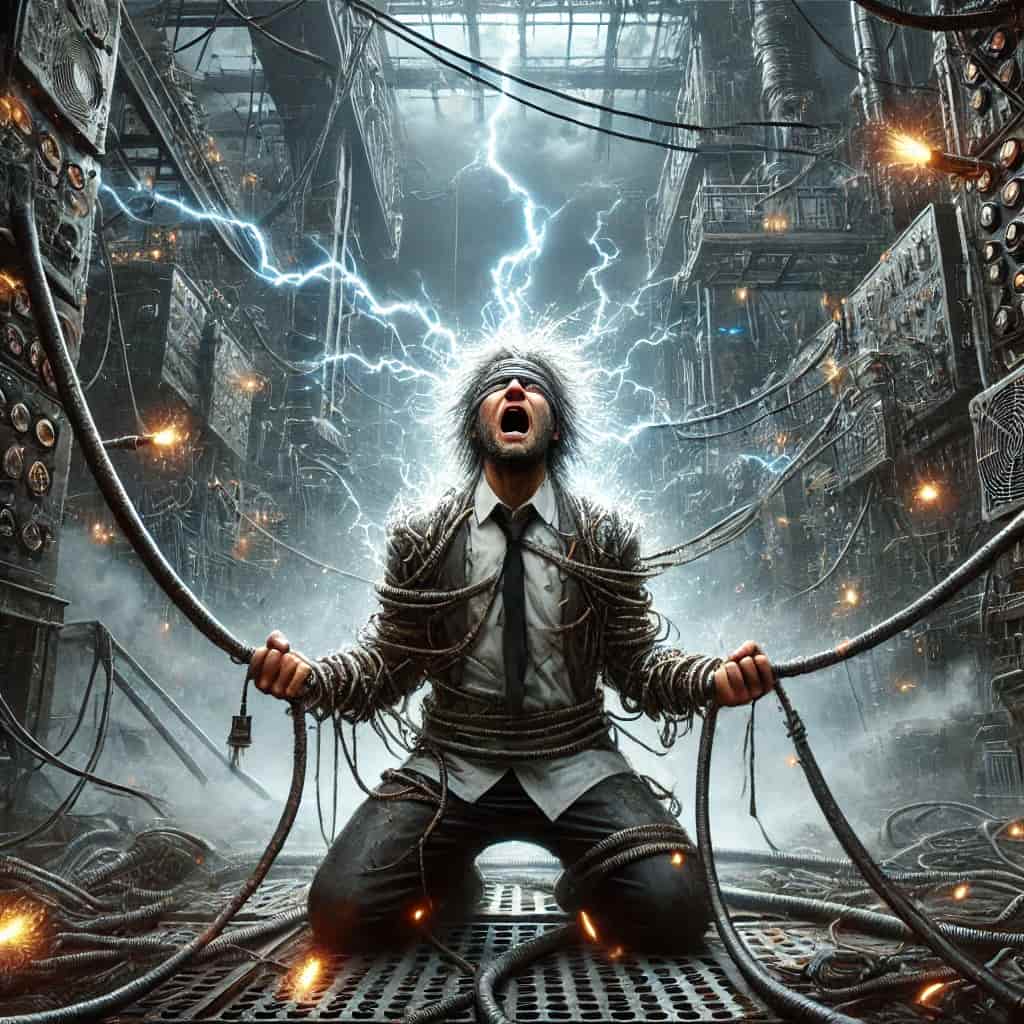
It replaces divine hierarchy with intellectual hierarchy, leaving humans on top simply by cognition.

Life, in this framework, has no intrinsic unity.

Secularism is merely another hierarchy—this time without a god.

Both systems agree on one assumption—humans are separate from the universe.

Ban Butsu fundamentally rejects this premise.

Humans are not at the top of any chain.

They are not even at the top of the food chain.

Humans depend on ecosystemss—ecosystems depend on microorganisms—microorganisms depend on planetary conditions—planetary conditions depend on cosmic order.No Top, Only RelationThere is no “top” only relationship.
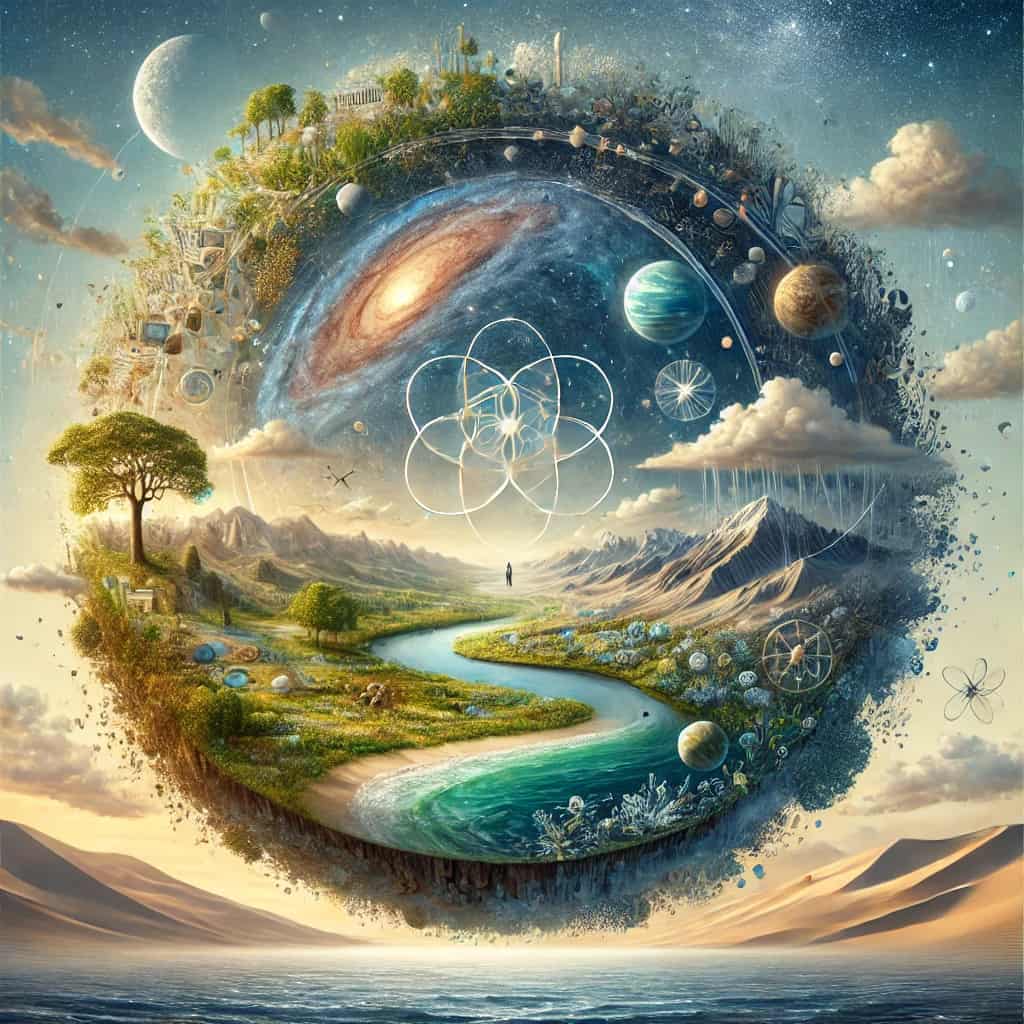
When this truth is forgotten, imbalance emerges.

Ban Butsu is not a belief.

It is an experience.

It is known not through doctrine or authority, but through resonance.

One does not reason their way into Ban Butsu—its vibration is felt directly.Identity with Seity and whirlpools of consciousnessWhen Japanese thought speaks of Ban Butsu Hitotsu, it points to one field, one movement, one existence—infinitely expressed.

Individuality still exists, but as expression, not separation.

This is why harmony matters more than domination in the Japanese mind.

Why balance matters more than control.

Why understanding matters more than belief.

Ban Butsu is the medicine for post-fracture consciousness.

It dissolves false hierarchies and restores relational understanding.

We are not isolated minds in a dead universe.

We are living expressions of a living whole—and remembering this changes everything.

Akemashite Omedeto — Reiwa 8

Akemashite Omedeto — Reiwa 8

Akemashite Omedeto — Reiwa 8

 There are decades where nothing happens, and weeks where decades happen.

One could say that 2025 was a significant year for the Land Of The Rising Son, where decades of fortitude and perseverance manifested as a matter of natural course, perhaps related to the mysterious notion of quantum superposition.

The fundamental shift in core belief is that the mind is the creator of material reality—concentrated attention moves mountains, and the manifestation of a mentated reality is what becomes real—focus attention of the inner space.Concentrated Attention Moves Mountains
A fluid routine, repeated over and over again, initiates the mentation game—this is where the creation of a personalized world and quantum superposition kicks in.

Last year was such a year for the Incidental Occxie—decades spent within the industrial fray drew to a close on one sunny August day—no longer trading time for pay—as a river of infinite abundance pushed the Matrix and all it represents far away.

The Black Swan Trapper superposition manifested as an extraordinary thesis flowing through this free-range avatar’s spirit and fingers—Seity dictating the entire theory—Certificates Of Gratitude, trapping the flow of currency, revealing the road to prosperity.

BST X Header

Maggie May, the matriarch of Kizuna Jinja, celebrated her 85th trip around the sun—vibrant, introspective, and the magical creator of Maggie’s Garden—demonstrating homeostasis through her four-quadrant holistic protocol—physical, emotional, mental, and spiritual balance.

Last year brought clarity about what it means to love someone deeply, to witness a collapse into the abyss of illness, and to confront the depths of sadness and melancholy when the one you love falls into a schizophrenic fantasy—a tragic end to a dramatic final movie scene.

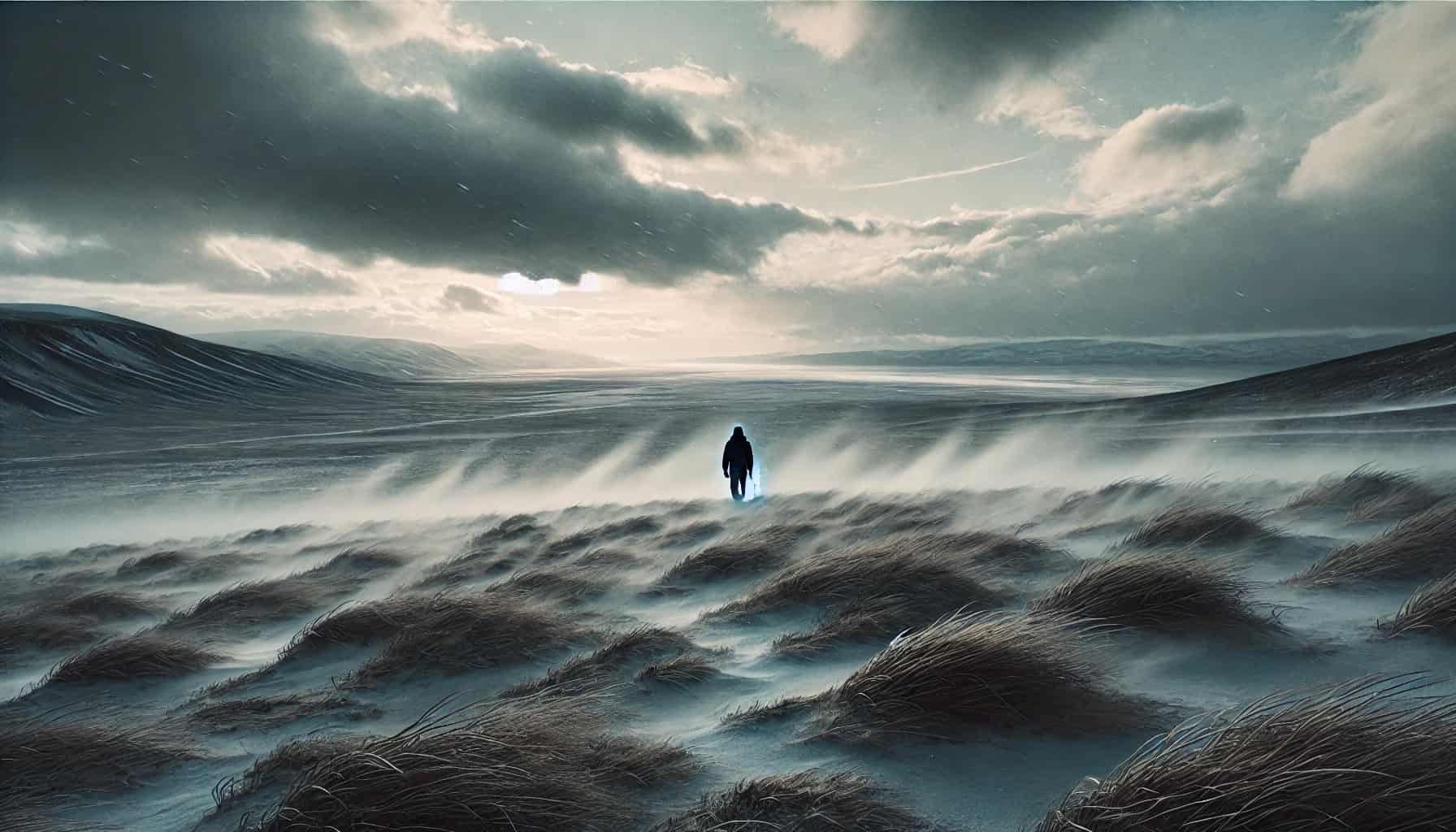
The lessons are cruel, harsh, and severe—yet this is the way of Seity—where one must look deeply into the mirror to gather the courage to move forward, embracing the path that has already been laid.The Wind That Does Not ExplainBuild your vision without reservation, and you will soon find that the tutelary deity of your Neo-Clan are watching the unfolding story like a living movie—harmonize with the surrounding vibration and open your heart to the notion of unlimited possibilities.
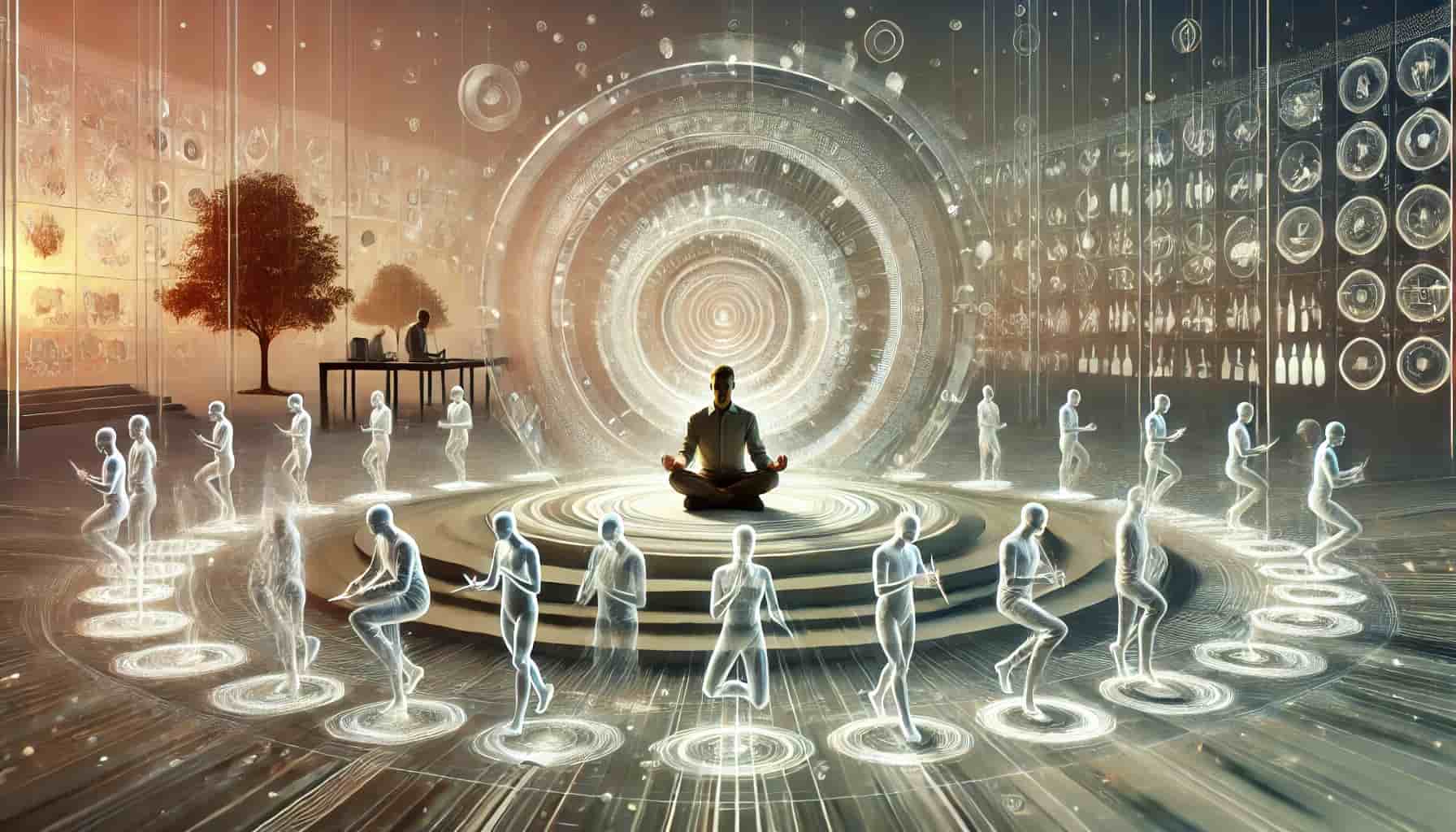
Shift the energy and bend the universe—use the power of pure grit and determination.

You, and you alone, create a personalized reality—there is no other way, for this is the universal truth—to believe is to see.Mentation in MotionSee the quantum field where all things exists, and materialize your own world through the superposition—this year’s mission.
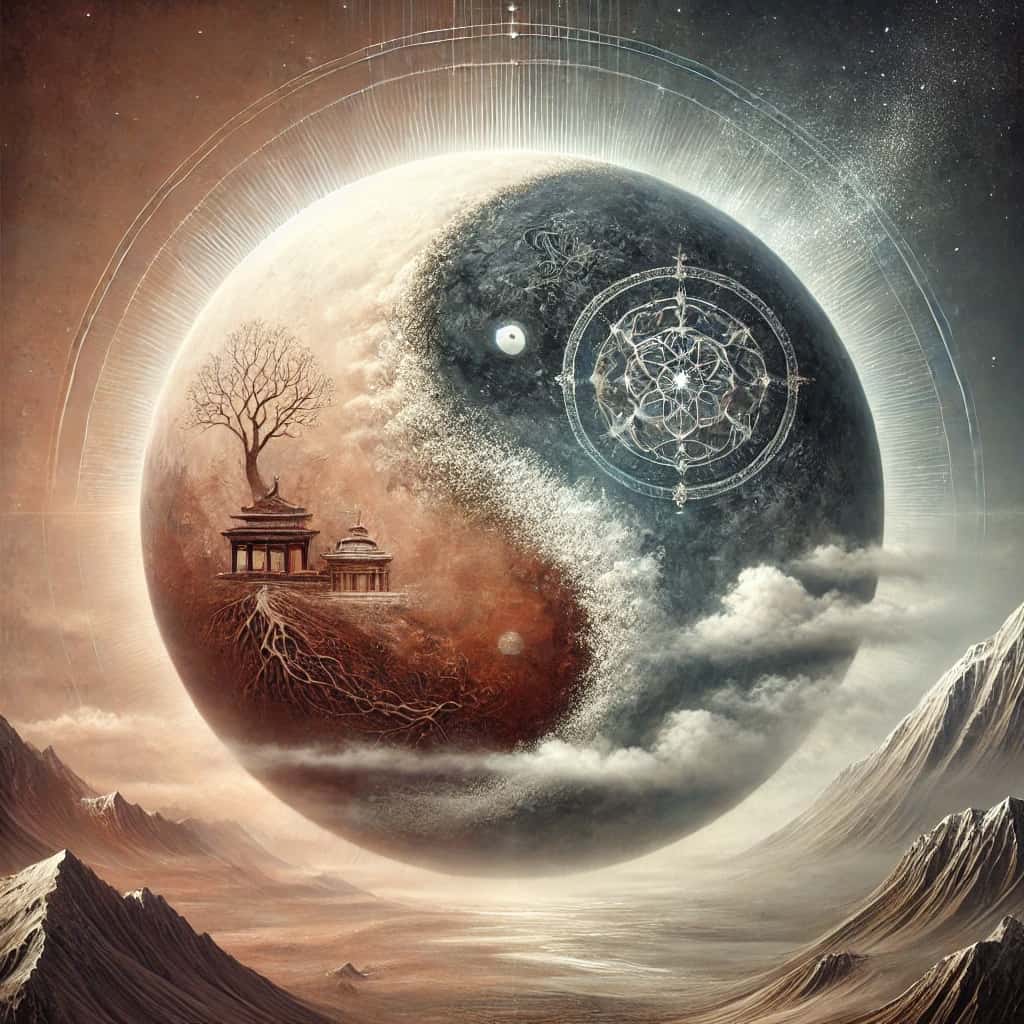
Welcome to Reiwa 8—for the Japanese—and for those who follow the Gregorian calendar, 2026.


Roots Squared

Roots Squared

Roots Squared

There is a subtle difference between pioneers—challenged by Seity to develop new paradigms in the fertile plains of Mother Earth’s nooks and crannies—and those who leave behind a distinguished civil mark through continuity and tradition.

Agrarian societies have deep roots in the land, adhering to customs and traditions with outward worldviews distinctly different from pioneers.

Yet each, in its own right, is natural, pure, and true.

Observing the ancient roots of Japan—anchored in archaic systems—stands in contrast to the pioneer spirit of the free-range avatars from the great white north—those who call snowy alpine mountain ranges a transitory home while rearranging the very notion of a destination called destiny.Destination vs DestinyBecoming a stranger in a strange land has led to a world few understand—a deeply ingrained cosmology embedded within the cryptic, quantum DNA of the Japanese.

After living and breathing Japanese throughout these adult years, one comes to understand that life’s ultimate purpose is to one day become a hinoki tree, standing within the sacred shrine of Kizuna Jinja, venerating the tutelary deity.base 10 reality at the Kizuna JinjaThe ephemeral dream of mortal existence reveals itself in the realization that the time has once again arrived for the pioneers of the Neo-Clan to plant roots within the emerging Civilization Three.

For posterity—and to grow the Neo-Clan Orb into infinity—societal stability must arise from roots firmly planted.

This cosmological phantasy exists for a singular reason—to plant the hinoki tree in the Land of the Gods, in ancient Yamato, where free-range avatars have now been set free.Wild Lunatic RideRoots give life meaning, yet the definition of roots itself changes with the flow of natural rhythm and human vibration for those who dwell within the ethereal realm of Civilization Three.

The joy lies within the quantum game—a destination wrapped inside destiny.

Creating a root story is mandatory for those called to build the Neo-Clan Orbs grounded in BAN BUTSU, the essence of existence’s true meaning.

In the Age of Shingo, the practice of going roots squared is to create a unique story, to venerate one’s ancestors and the ujigami, who stand watch over reality.ネオ氏族の入門-entrance to the neo-clanWhen present with them, one must remain aware—they observe this world with tender, loving care.

Choose to recognize the voice of Seity and your Neo-Clan tutelary deity.

The time is now to create your own mystical shrine, telling the story of a family and the impact they shape during their allotted time.

These are the roots of Kizuna Jinja—a never-ending story, for there is no such thing as time and space themselves does not exist, at least that is the theory.

Put down roots.

Establish Neo-Clan.

This is the way of the sovereign being.

Take personal agency by the hand, and be sure to square the roots—for this is Seity’s master plan.Seity Takes the Hand

Toward the Mountain

Toward the Mountain

Toward the Mountain

Having grown up among the pristine alpine mountains of the great white north, a love of mountains has been embedded in the free-range spirit of this Incidental Occxie since the earliest days of traversing Mother Earth—roaming freely among evergreen trees in pine-scented forests—at the knee of Maggie May and the KIZUNA JINJA tutelary deity—a phantasmagorical family following the Sun into ΩNE.

Then, all of a sudden, one grows up—no longer an innocent pup—and the fragmentation of childhood personification is slowly wiped away.

The fast track is a distortion, in fact, for even those destined for greatness can lose their way—a common theme in a world of broken dreams.even those destined for greatness can lose their wayDistraction from the materialization of Seity’s vision lies in the co-opting of the precious resource of undivided attention—deactivating the personally earth-bound vision—a material transition via quantum superposition.
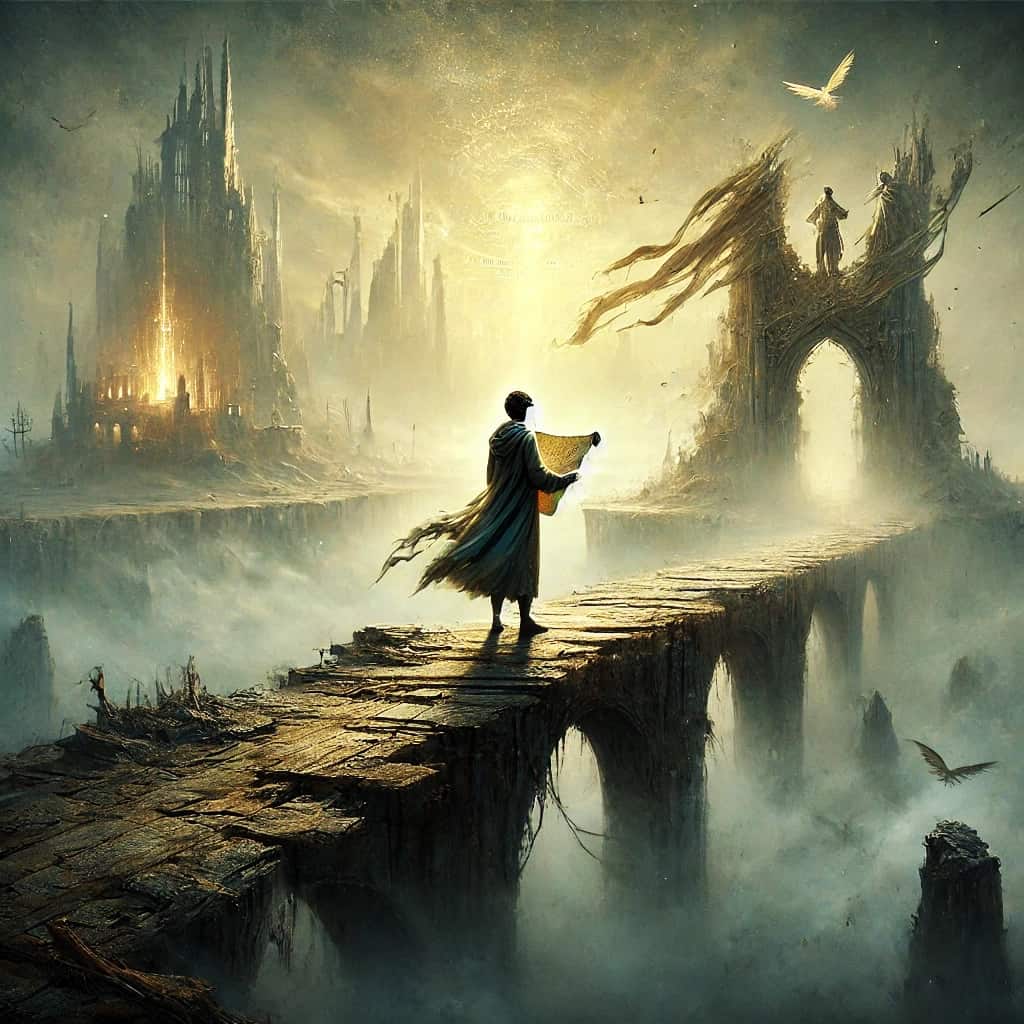
A mountain means many things—most of all, a place where one rises to the challenges that life inevitably brings.

Sometimes a mountain forms naturally from a series of molehills, growing into something bigger each day—you know what the Japanese say, chiri mo tsumoreba yama to naru—even dust, when piled up, becomes a mountain.mountain forms naturally from a series of molehillsThis is indeed a double-edged sword, as it cuts both ways—both in the negative and positive sense—appearing like a fork in the road.
The exquisite truth within the mountain-range allegory is that once the inner mountain is recognized—and its call felt resonating from inside—is where stories shift into overdrive.

There is no escape from destination-destiny—the choice is Kagami-crystal clear.Kagami Crystal ClearThe final quest is to be or not to be, and it all lies in how the brain frames the truth of the quantum-entanglement mountain-climbing phantasy.
The only mountain that ever needs conquering is the one inter-connected with the harmonic string of the inner world, to which we must all adhere—this is the will of Seity.

Toward the mountain, at the summit of each stage is a superposition—click the button—the vision is realized in the material world, not jut inside brilliant minds.each stage is a superpositionUnlimited mountaineering possibility in front of me.
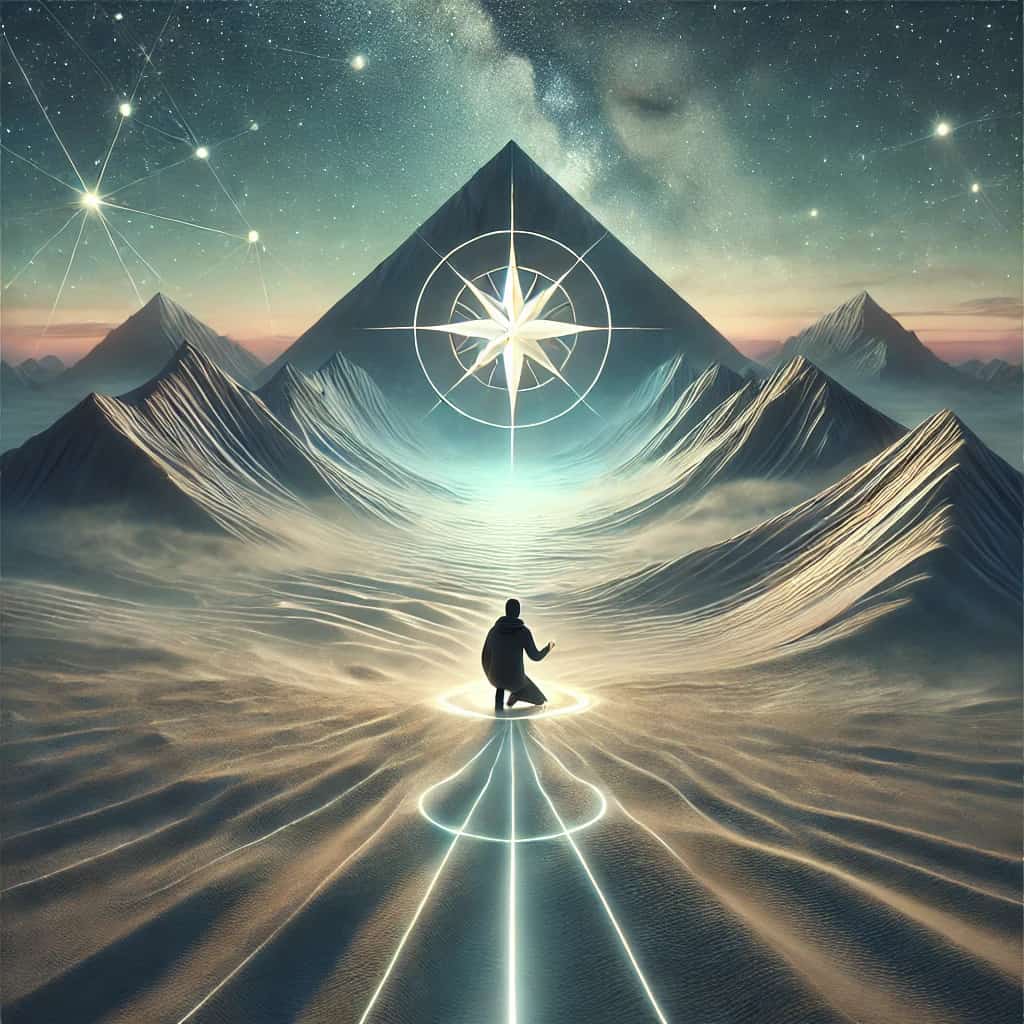
The quest is not Everest, nor the craggy slopes of Matterhorn.

The peak to seek is in proportion to the size of your vision—uniquely your mind.

All things are fluid—the density of the vision and the speed into fruition are in proportion to the intensity with which you can see you movie’s theme.

Calibrate your inner state and walk toward that massive mountain peak, and you too will know what it means to continue seeking until the end of mortal days.The compass withinWalk toward the mountain and do not stop until you reach the very top.
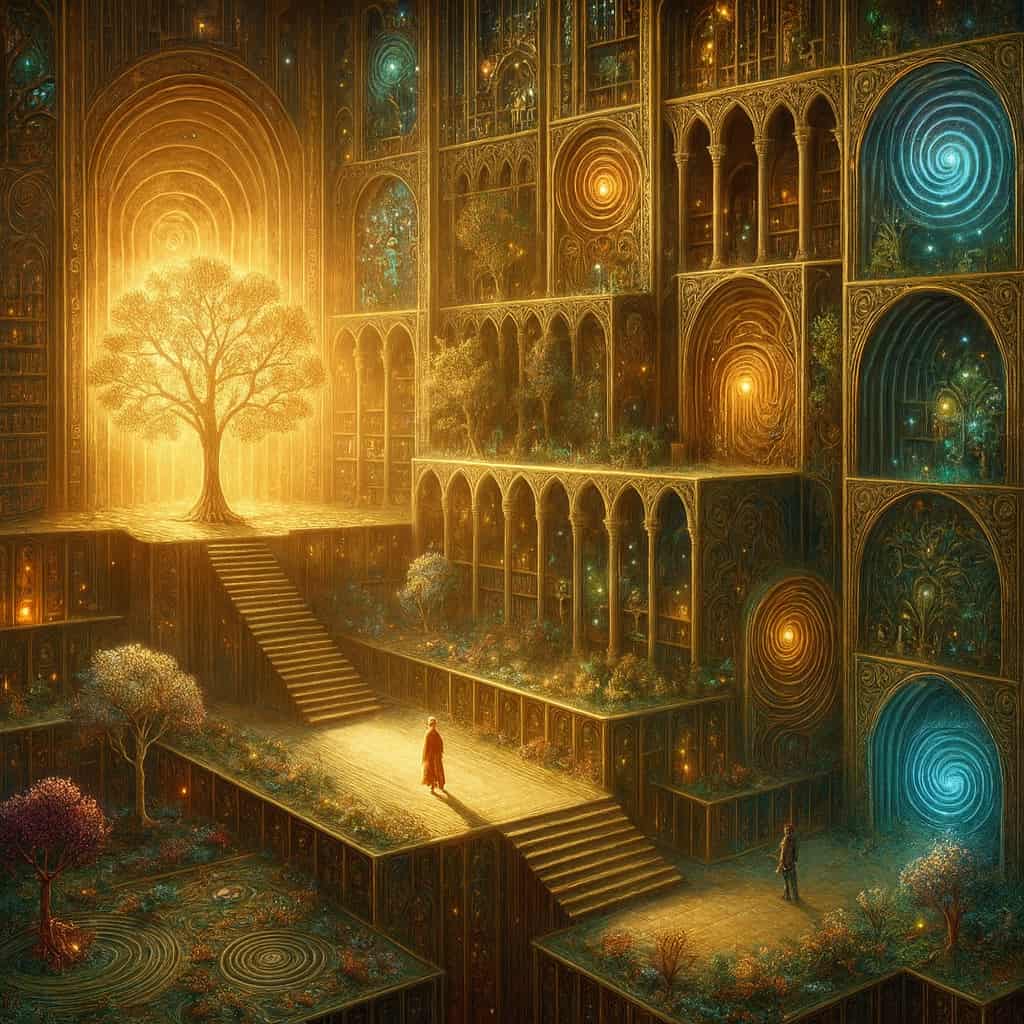
Take a moment and admire the view—soon enough, another peak will come into view as one explores the nooks and crannies of possibility.

On the final day, gaze into the mirror and say that you saw the mountain within and climbed to the summit of your own destiny—and that, in doing so, it was most pleasing to Seity.

This is the destiny of sovereign beings—to see the mountain clearly within, with courage, conviction, and the fortitude to climb through the nooks and crannies of what it means to be a free-range avatar—up to the summit of life’s ultimate thrill, the top of the mountain, looking down over life’s peaks and valleys as they flash by on the way to rejoining ΩNE.the nooks and crannies of what it means to be a free-range avatar

Somatization

Somatization

Somatization

More often than not, being able to label something is the first step toward taking behavioral corrective measures and beginning the healing process—whatever form that may be.

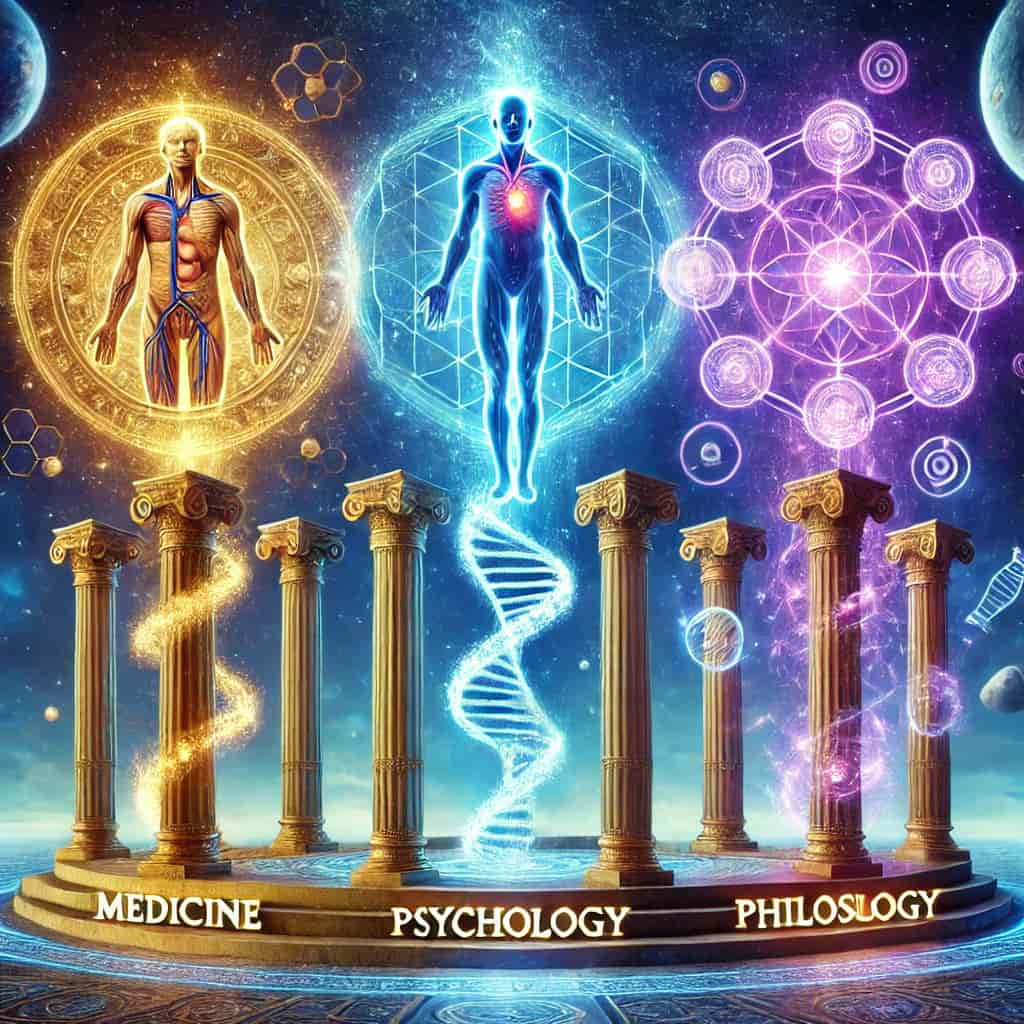
Somatization is the key to the four pillars of homeostatic holism—physical, emotional, mental, and spiritual.

The quest is recognition ignition of the somatization protocol proposition uniting the four foundational pillars of your personal humanity—the enlightened pathway to holistic, homeostatic ecstasy.four pillars of homeostatic holism—physical, emotional, mental, spiritualKnowing and identifying the malady is half the battle, after that, is where the rubber meets the road.
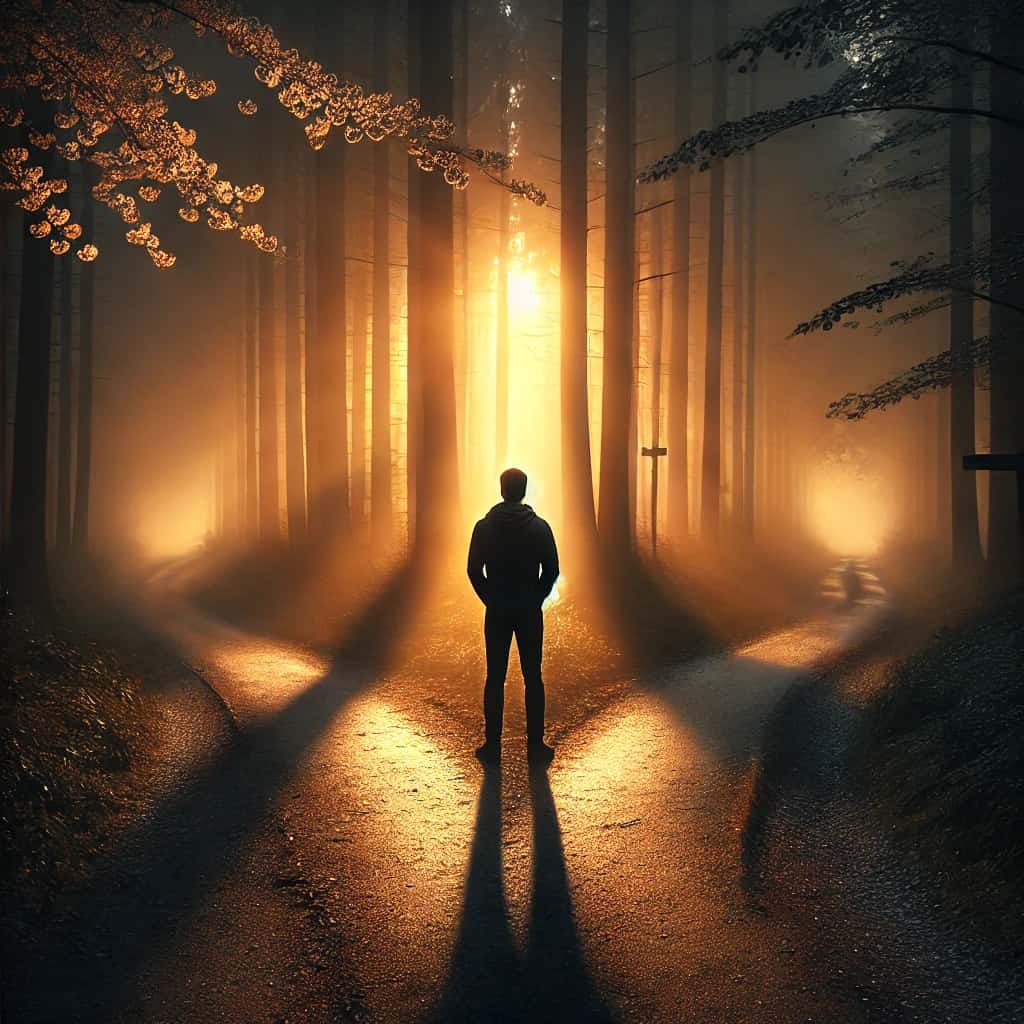
At this critical juncture, one must either take the fork toward healing or be smother by the rumination and deep ennui—life in the advanced state of decay is to ignore your personal plague.

Indeed, somatization is not only a rare term, but a word that holds the key to entering the flow and becoming ΩNE.

Somatization sits at the intersection of psychology, medicine, and philosophy.Medicine Philosophy PsychologyAs the ideal tool for comprehending your psycho-spiritual status and assessing the health of each level, somatization reveals which part of the sacred heart requires attention on the journey toward transcendence and becoming ΩNE.

So, what exactly is this powerful word that, once internalized, brings relief from the plague and mind-viruses that infect and eviscerate all four pillars of homeostasis?

Somatization is the process by which psychological distress or emotional conflict is expressed as physical symptoms in the body—the body speaking what the mind cannot.Earthbound Somatic Dial.
In clinical documentation, somatization refers to the manifestation of mental stress through physical symptoms—such as pain, fatigue, or illness—without a detectable organic cause.

Common examples:

• Stress manifesting as stomach pain or headaches.
• Emotional trauma producing chronic fatigue.
• Anxiety appearing as chest tightness.

Philosophically speaking, somatization can be understood as the spirit’s semaphore system—when the conscious mind suppresses truth, the subconscious sends messages through the body.

Indeed, in Buddhist psychology, body, speech, and mind form one continuum—what remains unspoken in the mind manifests in the body.What Is Not Spoken Appears in the BodyThe silenced voice of the heart reveals itself through the vessel of the body.
Once one understands the magnificent implications of the spirit’s semaphore system, one can identify and eliminate the suppressed emotional baggage and unresolved internal conflicts that burn through the soul like a hot knife through butter, draining the life-force of the holistic being—intentionally and purposefully.

This work exposes the dark corners of the personal psyche—especially the most evil soul destroyer of them all negative of pure life force energy—rumination the enemy of humanity, the core plague of all distraught human beings.

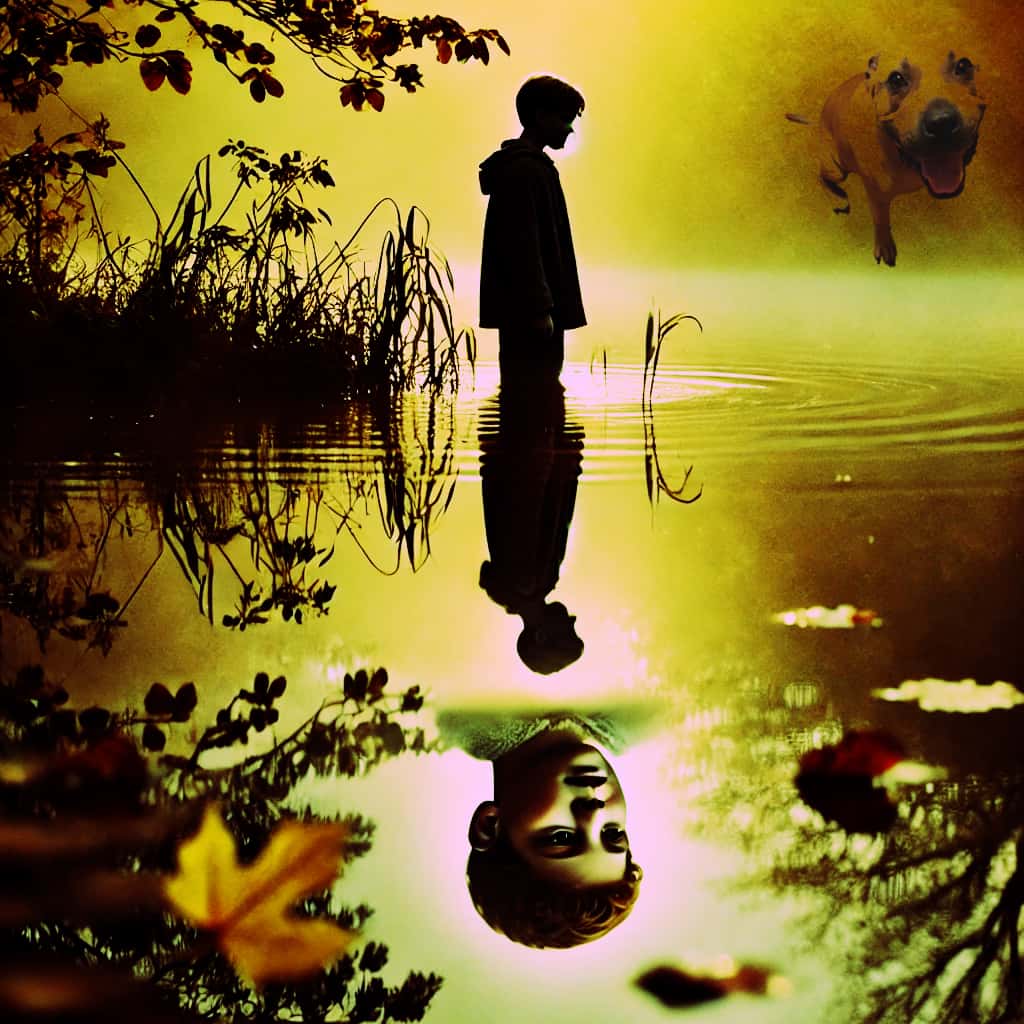
The choice is up to the individual.The Thinker at the Fork of DestinyAt times, it seems that many lost souls are content to wallow in their self-appointed misery.
The whimsical notion inside this magic lingual potion is for evisceration of self hatred and rumination taking back personal agency, once and for all.

If you have not yet absorbed the essence of this unsolicited suggestion, go back to the beginning and start again.

It is just a game, after all.

Seity is waiting to guide you on your journey toward becoming ΩNE.

Take the fork in the road that leads to somatization, realization, and a journey that follows the sun.

K.Yairi Guitars

K.Yairi Guitars

K.Yairi Guitars

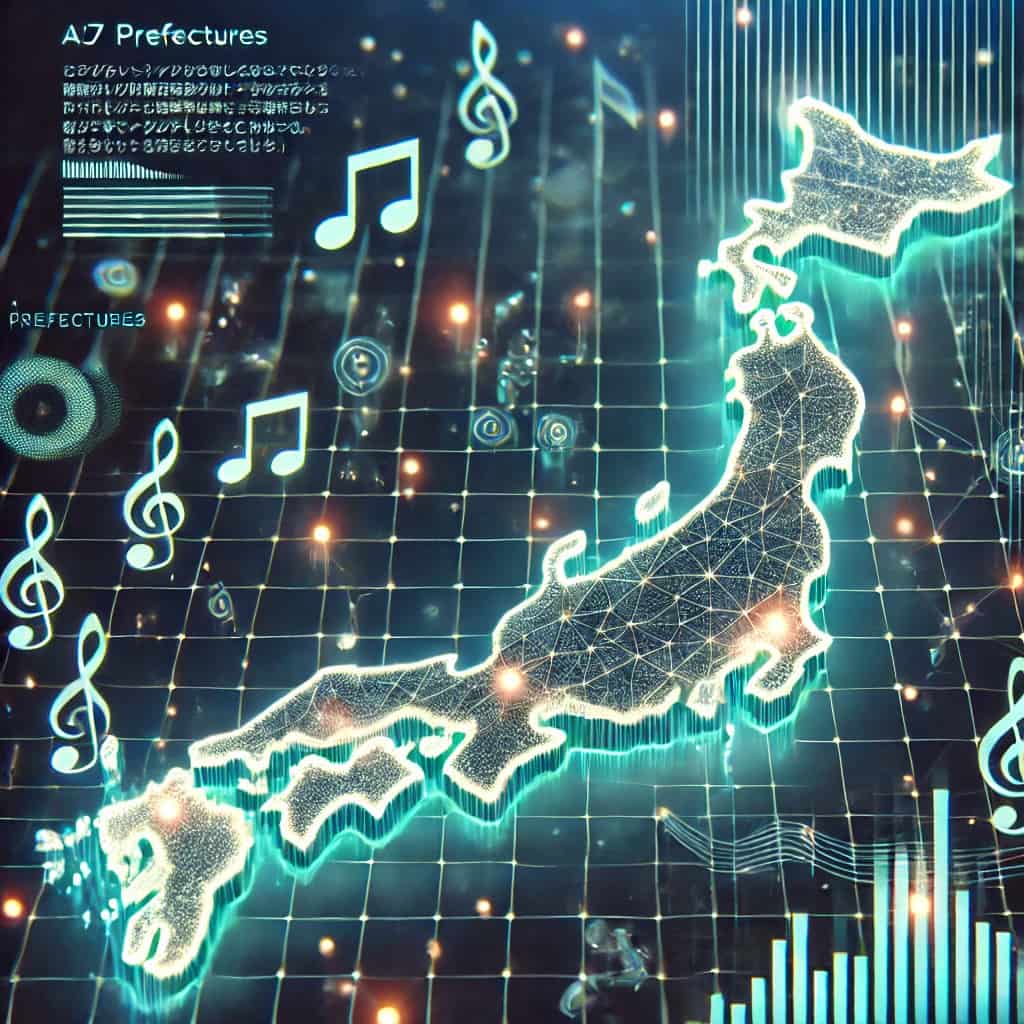
In one of only eight landlocked prefectures in Japan, Gifu stands out as a shining example of timeless Japanese artisanship—a spirit alive and thriving in this gorgeous, mountainous, wood-rich prefecture.

Ikinari Quiz: What are the other seven landlocked prefectures in Japan?
Make sure to read to the end—the answer you’re looking for might just be there.Japan MapOne could almost consider K. Yairi Guitars to be the premier global representation of the most famous guitar maker that no one has ever heard of—unless, of course, you’re in the know. That includes legendary artists who adore K. Yairi Guitars, such as:

Sir Paul McCartney
McCartney is perhaps the single most famous global artist known to consistently play a K. Yairi Guitar.
He owns multiple K. Yairi acoustics, including left-handed custom models made specifically for him.
McCartney has praised the instrument’s “living resonance.”

Bruce Springsteen
“The Boss” has been photographed with a K. Yairi acoustic in studio settings.
He appreciated the neck feel and build quality, often remarking on the brand’s extraordinary craftsmanship and resonance.

Eric Clapton
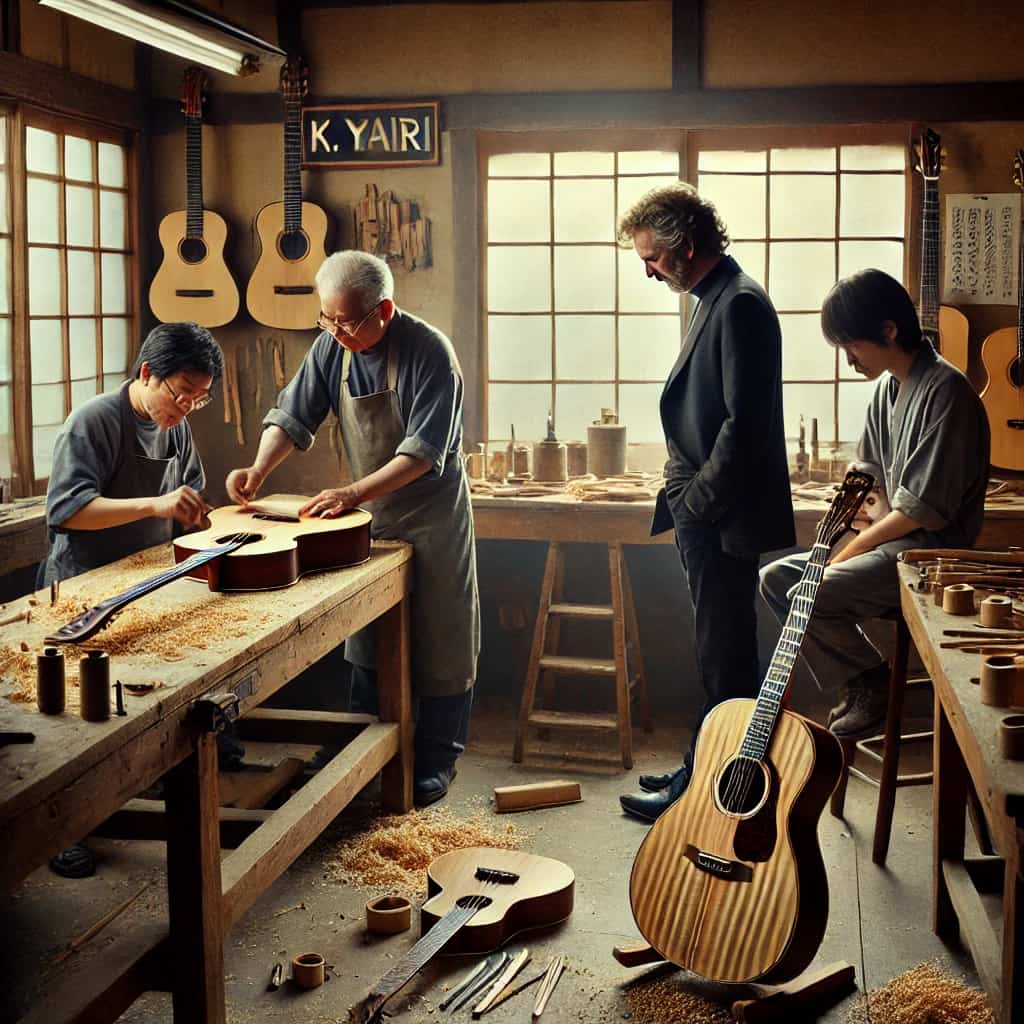
Clapton has played K. Yairi instruments—particularly in the 1970s and 1980s, when boutique Japanese guitars were circulating among touring professionals. He admired their craftsmanship and tone, and has spoken highly of them in private circles.Clapton at the K Yairi FactoryIndeed, one could say that K. Yairi Guitars, is the en no shita no chikara mochi縁の下の力持ち—the unsung hero of the guitar world.

In the landlocked prefecture of Gifu reside extraordinary gems, hidden within the mystical mountains of the Ibuki Range.

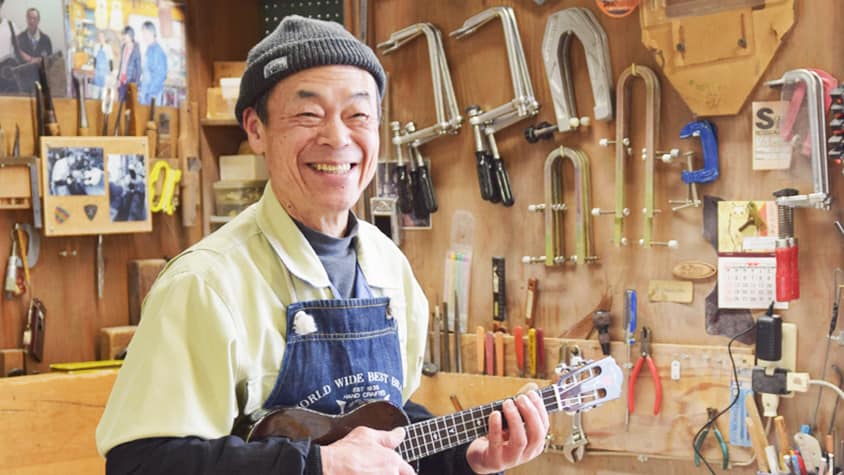
Their handcrafted guitars are infused with decades of devotion to craftsmanship and sent into the world with a deep bow and heartfelt love for their customers.decades of devotion to craftsmanshipThis is the magic of K. Yairi Guitars.

From the moment I laid eyes on this exquisite guitar over three decades ago, it became a cherished companion and family heirloom.

After countless sessions and live performances—as a loyal companion inspiring a multitude of original songs—there came a time when the refurbishment of this well-worn guitar was simply meant to be.

Excited for the next phase of our life together—creating music and joy for your listening pleasure—she was sent off for spiritual rejuvenation in the capable hands of the master craftsmen who imbue each guitar with sublime resonance, like a harmonious deity.

At the instruction of the K. Yairi Guitars master craftsman, I was asked to include a letter describing the story behind the renewal of this exquisite instrument.The Divine Melody Awakening
I bought this guitar about thirty-five years ago and have been deeply satisfied with its beautiful tone and resonance.

Ever since spotting it on a Yamaha shop shelf in Chiba City and trying it out, I’ve been in love with its extraordinary feel and vibe.

I would like to have the tuning pegs upgraded to a higher-quality set befitting such an extraordinarily beautiful wooden instrument.

Also, the pickups have grown old and weary, so please take a look and advise as you see fit.

I look forward to welcoming this instrument home and composing more extraordinary music—in harmony and vibration with K. Yairi Guitars.The Guitar’s Spiritual PilgrimageKeep in mind—the Japanese are attuned to the world of ban butsu—万物—life in all things—and the instruments from K. Yairi Guitars are imbued with the spirit of the forest gods who love the sound of music as they have anointed this historic luthier with tone, clarity, and a finely tuned ear.

Answer to the Quiz:
You thought the answer would be waiting down here for you, didn’t you?

Ah, but that would defeat the purpose of your pilgrimage to the bottom of this blog.

The real quest is yours: discover the other seven landlocked prefectures of Japan.

Go forth and use whatever tools you see fit to tuck this curious fragment of sacred Japanese geography—this little gem from the Land of the Gods—into your quiver for a rainy day.Gem of the Land of the Gods